
The Real Cost of Bad Conference Content — And What Nashville Event Planners Should Expect Instead
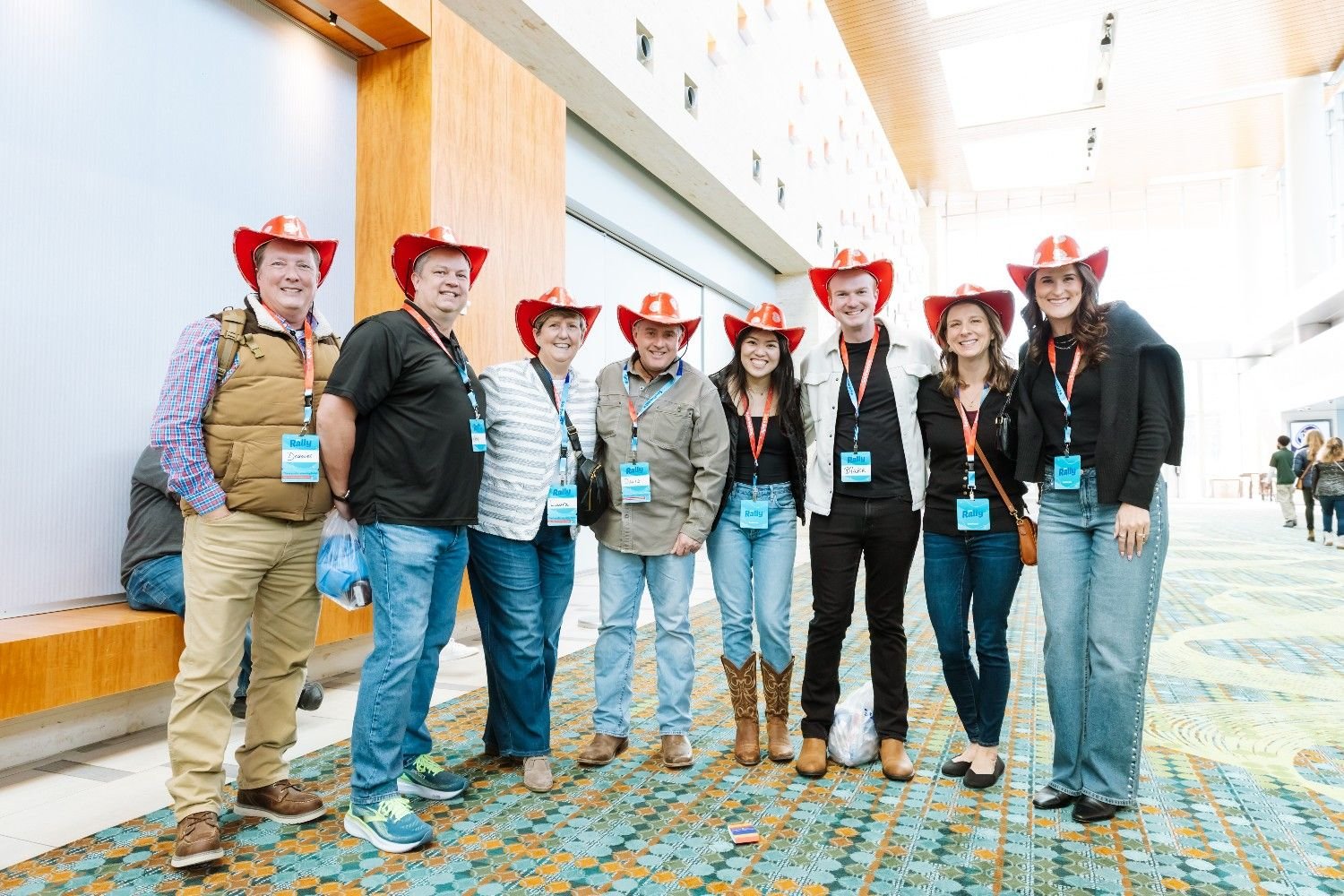
Conference photography in Nashville has a quality problem — and most event planners don’t realize it until the photos come back and the damage is already done. The speakers were great. The room was full. The energy was there. And yet the content that was supposed to capture all of it looks flat, rushed, and completely forgettable.
This isn’t a minor inconvenience. Bad conference content is a business problem with real downstream consequences — lost sponsorships, weakened registration campaigns, and an event brand that fails to build year over year. The good news is that it’s entirely avoidable. But you have to know what you’re actually buying before you can buy the right thing.
Here’s a straight breakdown of what bad conference photography and video actually costs you, why it keeps happening, and what Nashville event planners should be demanding from their production team instead.
What “Bad” Conference Content Actually Looks Like
Most event planners who’ve been burned by bad conference content can recognize it immediately after the fact — but struggled to see it coming when they were hiring. That’s because bad conference photography rarely looks incompetent on paper. The photographer had a portfolio. They showed up on time. They delivered the files. The problem is what’s in the files.
Bad conference content has a very specific look. The stage shots are technically correct but emotionally flat — you can see the speaker, but you can’t feel the room. The crowd shots are safe and repetitive, capturing posed attendees rather than genuine reactions. The lighting is inconsistent across the day, and the editing style swings between over-processed and undercooked. Nothing feels cohesive. Nothing feels like it was captured with intention.
Video is even more unforgiving. A conference recap cut from generic wide shots and shaky handheld B-roll, backed by royalty-free music that sounds like every other event recap video you’ve ever seen, is worse than having no video at all. It actively signals that your event doesn’t take its own brand seriously.
“The content your conference produces is a direct reflection of how seriously you take your own event. Attendees, sponsors, and future registrants are all reading the same signal.”
The root cause usually isn’t a bad photographer — it’s a mismatch between what the event needed and what was hired to cover it. A talented wedding or portrait photographer operating outside their primary context, without a conference-specific shot list, without a second shooter, and without a video crew running parallel, is set up to underdeliver. It’s not a skills problem. It’s a scope problem.
You can’t fix a scope problem by hiring harder. You fix it by hiring the right team.
Bad Content Kills Your Next Registration Cycle
The moment your conference wraps, the marketing clock for next year starts. The content captured in those two or three days is your single most powerful sales tool for the next twelve months — recap videos, speaker highlights, crowd energy shots, keynote moments, candid networking shots that make people feel like they missed something important. If that content is weak, your next registration campaign is fighting uphill from day one.
Think about how conferences build attendance over time. Early adopters show up on the strength of the programming and word of mouth. Everyone after that is making a decision based on social proof — what did last year look like, did it seem worth the ticket price, would I fit in there, is this the room I need to be in. Your conference photography and video is the primary vehicle for answering all of those questions visually. A strong recap video with real energy and sharp photography turns fence-sitters into registrants. A weak one confirms their hesitation.
Event planners who invest in a dedicated conference production team walk away with edit-ready assets that work across every channel — website hero sections, email nurture sequences, paid social, sponsorship decks, speaker recruitment materials. Those assets pull double and triple duty for an entire year. Content from a single photographer without a coordinated brief typically produces images suitable for one use case: a generic gallery that lives on a page nobody visits.
Your recap video is your event’s best sales rep. It either closes the deal or it doesn’t.
Nash Creative House builds full-service conference content packages for Nashville events of every size — from 200-person industry summits to multi-day flagship productions. Let’s talk about your next event before your calendar fills up.
Get a Free QuoteSponsors Notice Bad Content — And They Remember It
Corporate sponsors write you a check because they want something specific in return: visibility, association with a professional brand, and documented ROI they can take back to their own marketing teams. When the event photography looks like it was shot under fluorescent office lighting and the recap video feels like a student project, sponsors quietly start questioning whether they made the right investment. By the time renewal conversations come around, you’re defending your event on price instead of value.
Here’s what most event planners miss about the sponsor relationship: sponsors are also producing content. Their social media managers, their communications teams, their executives — they all want clips and images from the event that they can actually use. When a sponsor posts your event recap on their channels and it looks polished and intentional, that’s free marketing for you. When it looks like it was shot on a point-and-shoot in 2009, they either don’t post it or they quietly stop associating their brand with yours.
A dedicated video production team captures sponsor logo placements, booth activations, branded signage moments, and speaker segments in a way that gives sponsors real, usable deliverables. That turns your event from a line item in their marketing budget into a proven channel they’ll fight to stay in. It changes the entire renewal dynamic.
Professional conference photography in Nashville also means your sponsors’ activations get the same visual treatment as your keynote stage — properly lit, properly composed, and captured with enough variety that their team has options to work with. That level of attention to the full event environment is what separates a production team from a single photographer operating on a one-point brief.
Sponsors don’t just attend your event. They’re evaluating your production standards every single year.
What a Real Production Team Delivers That One Photographer Can’t
A single photographer — no matter how talented — is one set of eyes covering one angle at one moment. At a conference, that means constant forced choices: the keynote speaker or the audience reaction, the panel discussion or the networking break, the sponsor activation or the breakout session. Every choice to be somewhere is a choice to not be somewhere else, and those gaps compound fast across a two or three day event.
A production team operates as a coordinated unit. One photographer on the main stage. One working crowd reactions and attendee moments. One capturing sponsor activations and environmental shots. A video crew building the narrative B-roll that makes your recap worth watching from start to finish. Everyone is briefed on the same shot list. Everyone knows the deliverable. The output is cohesive because the approach was cohesive from the start.
At Nash Creative House, our event photography and video production operate under one roof and one brief. That’s not just a convenience — it means your photo and video content share a consistent visual language, which matters enormously when you’re pulling assets across different channels and campaigns. Nothing looks like it came from two different vendors who never spoke to each other.
We’ve covered everything from intimate 200-person industry events to multi-day flagship productions for clients like Lululemon, Visit Music City, and Southwest Airlines. Every team we send is briefed specifically on your event, your brand, and your content goals — not just handed a general conference shot list and pointed at the stage. The difference shows up immediately in the quality of the final assets.
“One team, one brief, one visual language across every deliverable. That’s the standard your conference content should be held to.”
Beyond the day-of coverage, a dedicated production team also means faster turnaround. When your photo and video team are coordinated from the start, post-production doesn’t require a back-and-forth handoff between two separate vendors. Assets come back faster, edits are unified, and you’re not chasing anyone for files three weeks after your event closed.
One team. One brief. Content that actually looks like your event was worth documenting.
How to Brief a Conference Production Team the Right Way
Even the best production team can underdeliver if they walk into your event without the right context. A strong brief is what separates a team that captures everything that matters from one that captures everything that was visible. These aren’t the same thing.
Start with your content goals, not your shot list. What are you going to do with this content after the event closes? If your primary use is a recap video for your website and a photo gallery for sponsors, your team needs to know that upfront so they’re shooting with those deliverables in mind — not just documenting the schedule. If you need short-form content for social, tell them which moments are highest priority and what aspect ratios your channels require. If your sponsorship packages include delivered assets, put that in the brief so nothing gets missed.
Next, walk through your event schedule with your production team in advance. Which sessions are highest priority? Who are the speakers sponsors will want clips of? Are there any moments — an award presentation, a product reveal, a networking activation — that are non-negotiable captures? A good production team will use your schedule to assign shooters to locations and build a prioritized shot list that accounts for every room, every time block, and every critical moment.
Finally, be clear about turnaround expectations and deliverable formats before you sign anything. Nashville conference photography pricing varies widely, and so does what you actually get. Know whether your quote includes editing and color grading, how many final images you’re getting, whether you own the raw files, and what the video deliverables look like — a full recap, social cuts, speaker clips, or all of the above.
A thorough brief isn’t extra work. It’s the thing that makes everything else work.
Frequently Asked Questions
How much does conference photography in Nashville cost?
Conference photography in Nashville varies widely based on event size, duration, and deliverables. A single-photographer package for a half-day event starts around $800–$1,500. A full production team covering a multi-day conference with photo, video, and same-day social content typically ranges from $5,000–$15,000+. The right question isn’t just the day-rate — it’s what assets you walk away with and how long they’ll work for your event marketing. Talk to us about a custom quote.
What’s the difference between a conference photographer and a production team?
A single photographer covers one angle at a time and typically delivers still images only. A production team deploys multiple shooters simultaneously — stage, crowd, sponsor activations, breakout sessions — plus a video crew building recap and social content in parallel. The output is categorically different: coordinated, multi-format, edit-ready assets versus a gallery of individual images. See how our conference coverage is structured.
How far in advance should I book conference coverage?
For Nashville conferences, booking 6–8 weeks out is the minimum for a quality team. For flagship or multi-day events, 3–4 months is strongly recommended. Production teams book fast during peak event seasons (spring and fall), and a rushed booking rarely leaves time for the thorough pre-event briefing that separates good coverage from great coverage.
Do I really need video at my conference, or is photography enough?
For most conferences, video is no longer optional — it’s your most powerful post-event marketing tool. A well-produced recap video drives registration, supports sponsorship renewals, and gives speakers and partners content they’ll actively share. Photography handles your gallery, website, and sponsor deliverables. Video handles everything else. The two work together, which is why having both under one production umbrella matters. Explore our video production services.
Can Nash Creative House handle conferences outside of Nashville?
What deliverables should I expect after my conference?
A professional conference production package should include: edited high-resolution photography (typically 300–600+ selects for a full-day event), a produced recap video (60–90 seconds is standard for website and social), short-form vertical cuts for Instagram and TikTok if requested, speaker clips for individual distribution, and sponsor-specific assets. Turnaround is typically 5–10 business days for photo and 10–15 for video depending on scope. View our premium event packages for a full breakdown.
Your Event Deserves Content That Earns Its Keep
Stop settling for coverage that checks a box. Nash Creative House brings a full production team to your conference so nothing worth capturing gets missed — and everything you walk away with actually works.