
Brand Video Production Strategy: How to Tell Stories That Make Your Business Stand Out
Brand video production without a story is just footage. Great lighting and a steady camera can make a video look professional, but it’s the story underneath that makes someone actually stop, pay attention, and remember your business afterward. Strategy, in this context, mostly means answering one question before a single frame is shot: what story are we actually telling, and to whom?
This post breaks down a simple framework for finding that story, where most brands should actually be looking for it, and how it comes together on an actual shoot.
If you’re further along and already know your story, our post on brand video production trends for 2026 covers how to format and distribute it once it’s filmed, and our complete guide to brand video production covers the video types and process in full.
Why Strategy Starts With Story, Not Format
It’s tempting to start a video project by picking a format: a 30-second ad, a testimonial, a founder interview. But format is a container, not a strategy. Without a clear story to put inside it, even a well-produced video ends up generic, and generic content is easy to scroll past no matter how good the lighting is.
A real strategy starts by identifying the one story worth telling right now, then choosing the format and length that story actually needs, not the other way around.
This is also where a lot of brand video production budgets get wasted. A beautifully shot video with no clear story still fails to move anyone, while a simpler shoot built around a genuinely strong story can outperform it on a fraction of the budget. Getting the story right first is the cheapest, highest-leverage step in the entire process.
A Simple Story Framework for Brand Video
- A real conflict or problem. Every story worth watching has something at stake, even if it’s as simple as a customer’s problem before they found your solution.
- A specific audience. A story written for “everyone” usually connects with no one. Picture one real person in your actual audience while shaping the message.
- One clear message. Pick a single idea the viewer should walk away with, and cut anything that doesn’t serve it, no matter how good it looks on its own.
- Honest proof over hype. A specific, true detail is more persuasive than a superlative. “We delivered three days early” beats “the best in the business” every time.
Where to Find Your Story
Customer Outcomes
A real client’s before-and-after is often the most persuasive story a brand has, and it’s usually sitting in an email thread already.
The Founder’s Why
The original reason the business started is often more compelling than anything a marketing brainstorm produces from scratch.
The Process Itself
Showing how something actually gets made or delivered builds trust in a way a polished pitch alone can’t.
A Real Story Being Told on Camera
Here’s what story-first brand video production actually looks like: a real, unscripted conversation captured on a branded set, with a genuine moment of someone sharing their perspective rather than reading a prepared line.
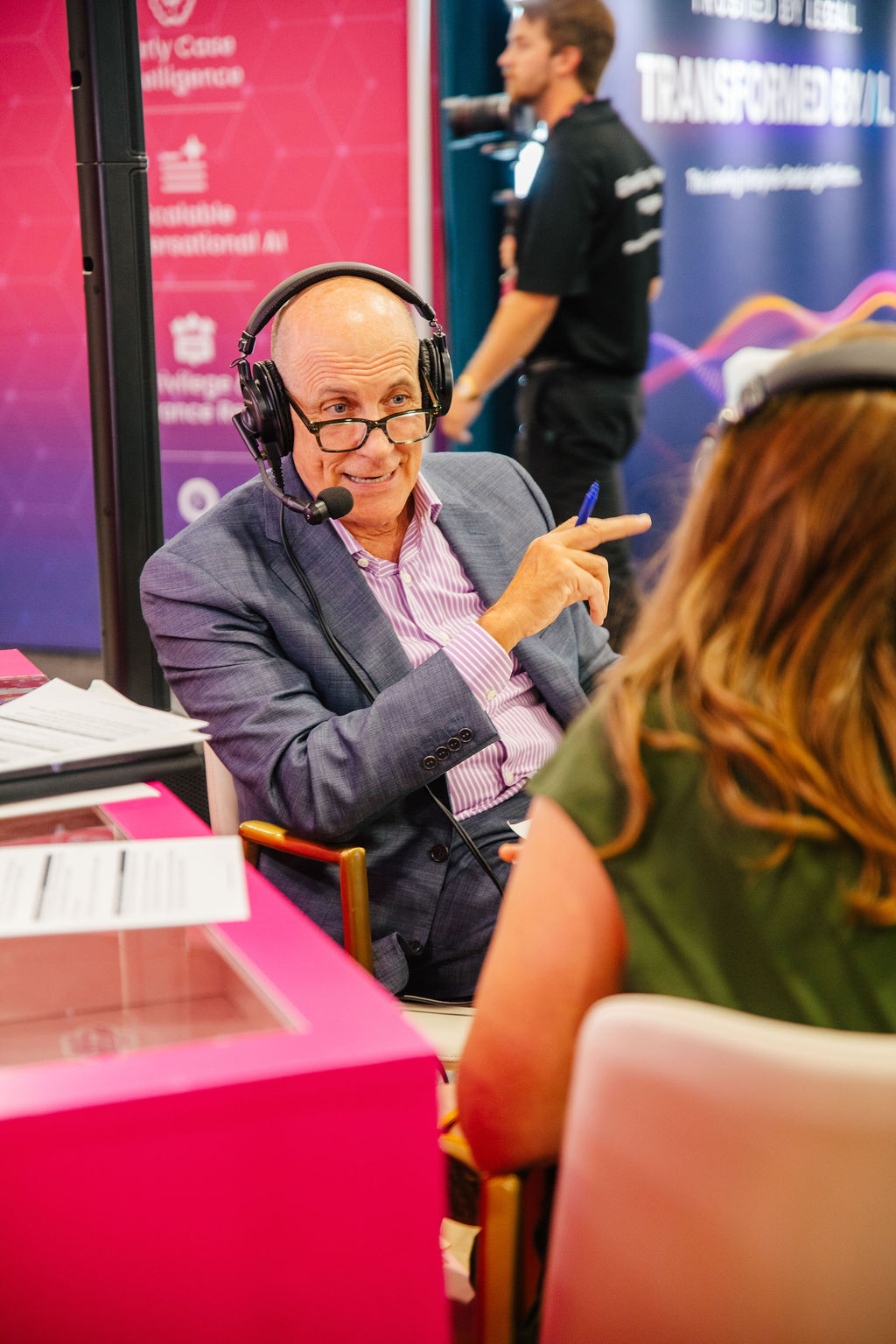
The Unscripted Moment
A real conversation, not a line read from a script.
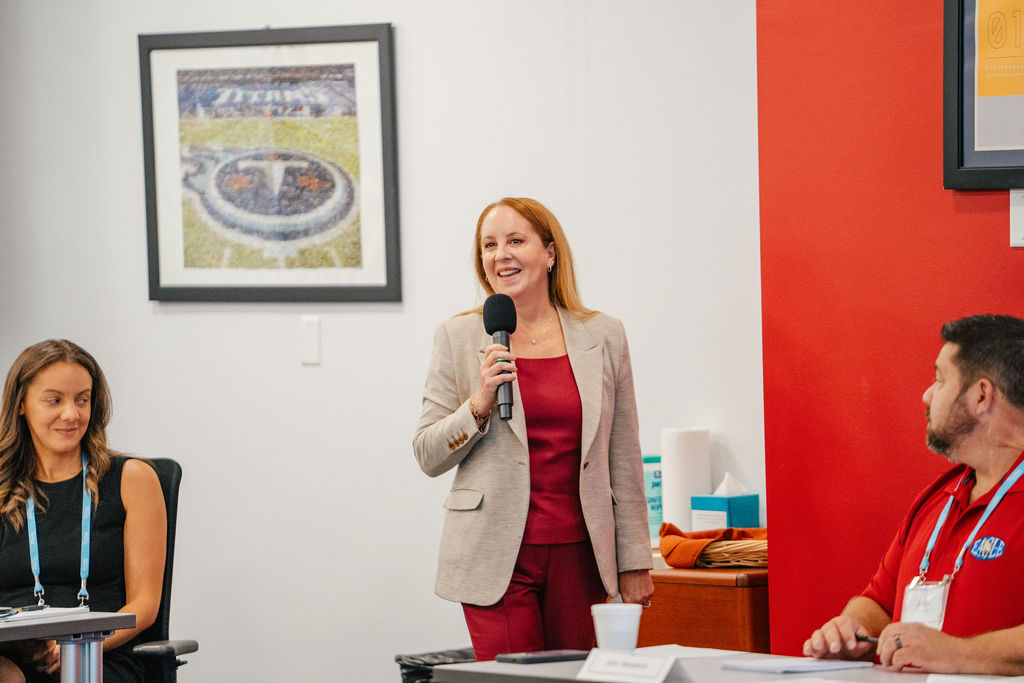
A Story Worth Filming
A genuine moment like this is exactly the kind of material a strong brand video starts from.
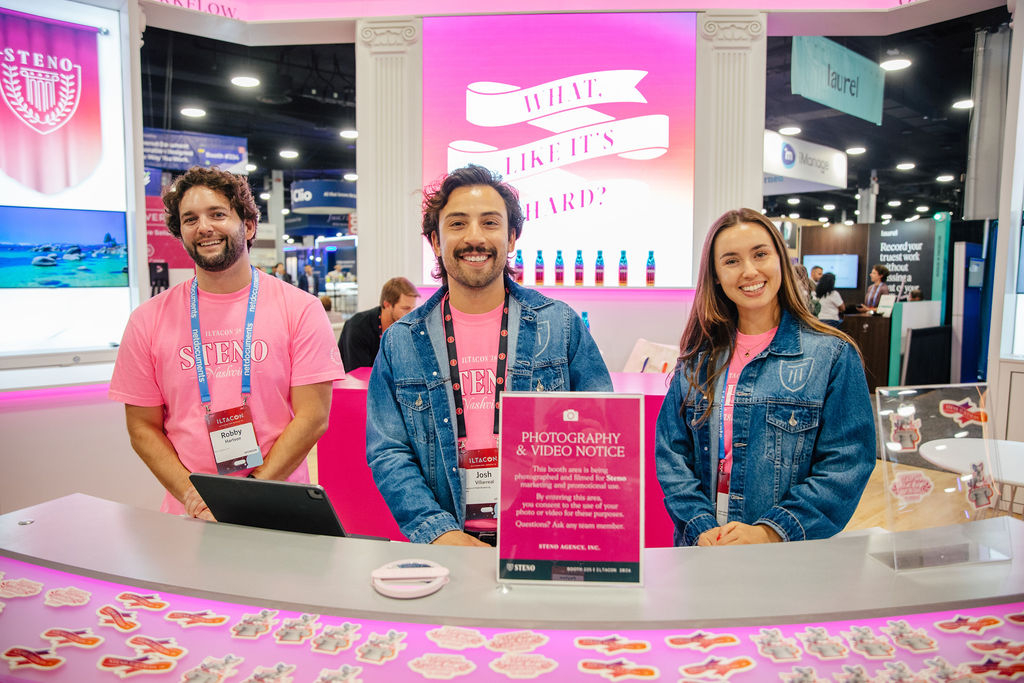
Planned, Not Improvised
Even a candid-feeling story is built on real planning behind the scenes.
“It was my first time running an event in Nashville, and it was one of the biggest annual events for our company. I relied on the Nash Creative House team, and I have zero regrets! They were professional, punctual, and delivered final results within the agreed timeframes… Great quality, excellent value, and a fantastic team to work with. I would absolutely work with them again!”
— Kseniia Konovalova, ★★★★★ Google ReviewThe Production Process, Start to Finish
A strong story needs real planning before the camera rolls, whether that happens at your office or at a venue like Music City Center here in Nashville.
Story Discovery
We talk through customer outcomes, your founding story, and your process to find the strongest angle.
Framework & Outline
The conflict, audience, message, and proof points get mapped before filming.
Shoot Day
Camera, lighting, and audio handled on location or at your event.
Edit & Review
A rough cut built around the one message, with a clear revision window.
Final Delivery
Every format exported and ready to tell your story everywhere it needs to be.
More Questions About Brand Video Production Strategy
What makes a brand story work in video rather than just falling flat?
A specific, honest story beats a polished but generic one almost every time. A real conflict or problem, a clear audience, and a single message tend to land better than broad brand messaging.
Do I need a professional script for a brand video strategy to work?
No. Many of the strongest brand stories are built from talking points and a clear structure rather than a word-for-word script, especially for testimonial or founder-story content.
Where do most brands find their best video story ideas?
Usually from customer outcomes, the founder’s original reason for starting the business, or the day-to-day process behind the product, rather than from a marketing brainstorm detached from the actual business.
How long should a brand story video be?
As long as it needs to be to make its one point clearly, and no longer. A tight 60-90 second story often outperforms a meandering five-minute piece trying to cover everything.
Can a brand have more than one core story?
Yes, but each video should still carry just one of them clearly. Trying to tell the founder story, a product story, and a customer story all in the same video usually dilutes all three.
How do I know if a story idea is actually strong enough to film?
If you can say the core message in one honest sentence and it would genuinely resonate with your specific audience, it’s usually strong enough. If it takes several sentences to explain, it likely needs to be narrowed first.
Ready to Find and Film Your Story?
Tell us a bit about your business — most quotes go out within 24 hours, and we’ll help you find the story worth telling first.
Get Your Free Quote