
How to Become a Professional Event Photographer
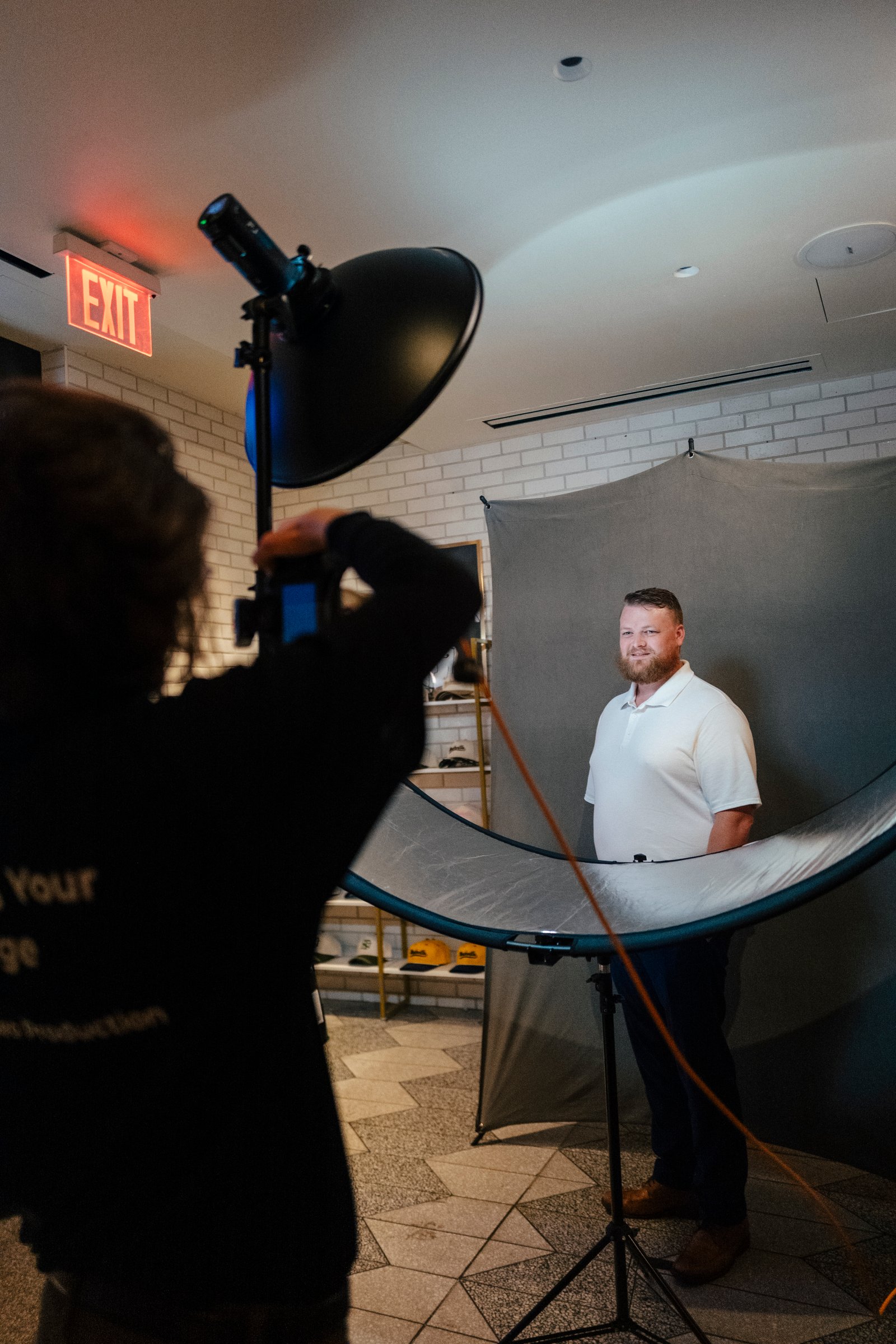
This isn’t a “buy a camera and post on Instagram” guide. Becoming a professional event photographer — the kind clients actually rebook — takes real technical skill, a portfolio built on unpredictable real events, and the composure to direct a room that isn’t going to slow down for you.
We’ve built a team shooting corporate events, conferences, and brand activations across five markets, and the photographers who make it past year one all did a handful of things in roughly the same order — and skipped the shortcuts most beginners waste time on.
Here’s the realistic path: the technical fundamentals that keep your images usable, how to build a portfolio before anyone’s paying you, the lighting and direction skills that separate a professional from a hobbyist, and where your first real bookings actually come from.
Master Your Camera and Technical Fundamentals
This is the floor, not the ceiling — but it still has to be solid before you charge anyone for it. A professional event photographer needs to control exposure, focus, and flash fast enough to react to a room that won’t pause and reset for you.

- → Manual exposure control that adjusts instantly as a room’s light changes
- → On-camera and off-camera flash, not just available light — most venues need it
- → Fast, reliable autofocus habits for moving subjects and candid moments
- → A second camera body and a backup workflow, because event work rarely allows a reshoot
Sharpening your technical skills on bigger conferences and multi-city events? We regularly bring on additional photographers for larger productions.
Get in TouchLearn to Read and Shape Light
Ballrooms, exhibit halls, and stages rarely offer flattering light on their own. A professional photographer treats lighting as a skill to control, not a condition to hope for — because clients notice bad light even when they can’t name what’s wrong with a photo.
- → Reading mixed lighting sources in one room and correcting for it in-camera
- → Using bounce flash and diffusion to avoid harsh, flat, “flash-photo” looks
- → Positioning subjects relative to existing light instead of fighting it
- → Carrying backup lighting for evening events and dim venues
“Clients don’t compliment good lighting. They only ever notice when a photo looks flat, harsh, or off — and that’s a lighting problem, not a camera problem.”
Watch Our Work
See What Professional Event Coverage Looks Like
Nash Creative House event photography and video production — conferences, brand activations, and corporate events across Nashville, Las Vegas, Atlanta, Orlando & Dallas
Build a Portfolio That Actually Books Clients
No one hires an event photographer off a set of staged portraits. Clients want proof you can handle a room full of unpredictable moments — which means real event experience, paid or not, has to come before you start pitching.

- → Second-shoot for an established event photographer to learn the real workflow
- → Offer a discounted or free shoot to a local nonprofit or small business event for portfolio use
- → Photograph friends’ and family’s events to practice under real, imperfect conditions
- → Aim for 8 to 10 genuinely strong, varied images before pitching paid work
Variety matters more than volume. A portfolio that shows a keynote, a candid crowd shot, a low-light room, and a polished individual portrait tells a client far more than fifty similar photos from one easy event.
Direct People and Work a Room Under Pressure
This is the skill most beginners underestimate, and it’s the one that actually gets a photographer rebooked. Event work means directing executives, strangers, and nervous first-time subjects — often in low light, tight timelines, and a schedule that’s already changed twice that morning.

- → Giving quick, clear direction that puts an on-camera subject at ease instead of freezing them up
- → Adapting instantly when a schedule slips, a speaker runs long, or a location changes last minute
- → Staying calm and polite under pressure — clients remember how the day felt, not just the photos
- → Carrying liability insurance and a signed contract before every paid booking; many venues require proof of it
Building your career behind the camera in Nashville, Atlanta, Las Vegas, Orlando, or Dallas? We’re always open to connecting with photographers who take the craft seriously.
Connect With Our Team See Our WorkQuestions People Actually Ask
How do you become a professional event photographer?
Start by mastering camera and lighting fundamentals well enough to shoot confidently in unpredictable rooms, build a genuinely varied portfolio through second-shooting and real (not staged) events, and develop the people skills to direct subjects and read a room under a live timeline. Reliable gear, a contract, and insurance come before your first paid booking.
What skills does a professional event photographer need?
Exposure and focus control in changing light, an understanding of on-camera and off-camera flash, editing fluency, and the people skills to direct executives and strangers on camera without making them stiff or awkward. Technical skill keeps the images usable; people skills are what get you rebooked.
How do you build a portfolio before you have paying clients?
Second-shoot for an established event photographer, offer a discounted shoot to a local nonprofit or small business event in exchange for portfolio use, and photograph friends’ and family’s gatherings. Aim for 8 to 10 strong, varied images — a keynote, a candid crowd shot, a low-light room, a detail shot — rather than volume from one easy event.
Is event photography a good career?
It can be, for photographers who treat it as a business and not just a hobby with a camera. Steady income comes from repeat venue and planner relationships, not one-off bookings, and the photographers who build a real career price by the day, carry insurance, and invest in reliable, redundant gear from the start.
How long does it take to become a professional event photographer?
Camera basics can be learned in a few months. Building the judgment to shoot confidently in fast-moving, unpredictable live environments — and the client relationships that keep you booked — typically takes a few years of real, varied event experience.
Does Nash Creative House work with freelance event photographers?
Yes. Nash Creative House regularly brings on additional photographers for larger conferences and multi-city events across Nashville, Atlanta, Las Vegas, Orlando, and Dallas. Reach out if you’re an experienced event photographer looking to work with an established team.
Building a Career
Behind the Camera?
Nash Creative House works with photographers across Nashville, Atlanta, Las Vegas, Orlando, and Dallas on conferences and corporate events. Reach out if you’re serious about the craft.
Let’s Connect See Our Work →