
What Skills Do You Need to Be a Videographer?
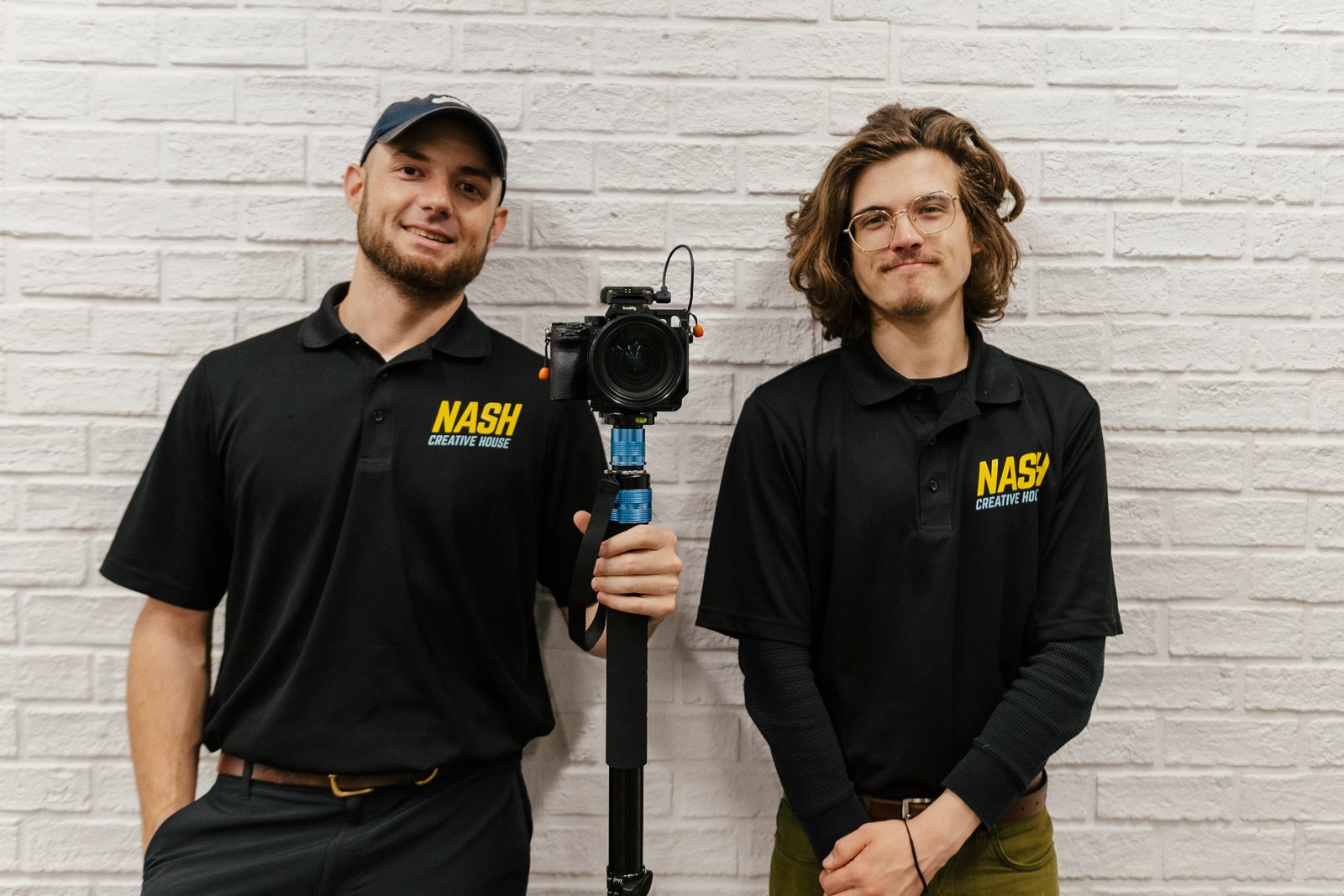
Camera settings are the easy part. Anyone can learn shutter speed and ISO in a weekend. What actually separates a hireable videographer from someone who owns a nice camera is a harder set of skills — the kind you only build by standing in a room full of unpredictable people and getting the shot anyway.
We’ve built teams that shoot conferences, brand activations, and corporate events across five markets, and the videographers who last aren’t the ones with the most gear. They’re the ones who combined technical control, an editor’s instinct, and the people skills to direct a room without slowing it down.
Here’s the real breakdown: the technical fundamentals, the creative judgment, and the on-the-ground skills that actually determine whether a videographer gets rebooked.
Camera Operation and Exposure Control
This is the floor, not the ceiling — but it still has to be solid. A videographer needs to control exposure, focus, and frame rate fast enough to react to a room that isn’t going to pause and wait, whether that’s a keynote speaker pacing the stage or a founder giving an unscripted interview.

- → Reading a room’s light fast and adjusting exposure without pausing to think about it
- → Manual focus control for interviews and moving subjects, not just autofocus and hope
- → Framing that holds up whether the shot is a wide crowd, a tight two-shot, or a walking subject
- → Knowing your gear well enough that troubleshooting doesn’t cost you the moment
Bringing your camera skills to bigger conferences and multi-city events? We regularly bring on additional videographers for larger productions.
Get in TouchLighting and Audio, Not Just Picture
Clients forgive a slightly imperfect frame. They rarely forgive audio they can’t understand. A videographer who only thinks about the picture is missing half the job — sound and light are what make footage usable, not just pretty.
- → Setting and adjusting portable lighting fast in venues you don’t control
- → Recording clean, levels-checked audio on external mics — not relying on a camera’s built-in mic
- → Understanding white balance and color temperature across mixed lighting sources in one room
- → Backing up audio and footage in the field, so a card failure doesn’t end the day
“Nobody has ever complimented a video’s lighting. They only ever notice when it’s wrong.”
Watch Our Work
See What Professional Video Coverage Looks Like
Nash Creative House event photography and video production — conferences, brand activations, and corporate events across Nashville, Las Vegas, Atlanta, Orlando & Dallas
An Editor’s Eye, Applied Before You Even Shoot
The best videographers shoot with the timeline already in their head. They’re capturing B-roll, cutaways, and coverage angles specifically because they know what the edit is going to need — not gathering footage and hoping it cuts together later.
- → Shooting deliberate coverage — wide, medium, and tight — instead of one static angle
- → Understanding pacing and structure well enough to know what a scene is missing on set
- → Editing software fluency, from basic cuts to color and audio mixing
- → Turning raw footage into a story with a beginning, middle, and a reason to keep watching
This is also where a lot of self-taught videographers plateau. Operating a camera well is teachable in months; building the editorial instinct to know what footage a story actually needs takes years of cutting real projects, not just shooting them.
Directing People and Staying Calm Live
This is the skill most people underestimate, and it’s the one that actually gets a videographer rebooked. Event work means directing executives, strangers, and nervous first-time interviewees on camera — often with a run of show that’s already changed twice that morning.

- → Giving clear, quick direction that puts an on-camera subject at ease instead of freezing them up
- → Adapting instantly when a schedule slips, a speaker runs long, or a location changes last minute
- → Staying calm and polite under pressure — clients remember how the crew made the day feel
- → Reading a room well enough to know when to grab a shot quietly and when to step in and direct
A videographer with great technical skills but no people skills gets awkward, stiff footage from awkward, stiff subjects. That’s the difference clients are actually paying for, even when they can’t name it.
Building your career behind the camera in Nashville, Atlanta, Las Vegas, Orlando, or Dallas? We’re always open to connecting with videographers who take the craft seriously.
Connect With Our Team See Our WorkQuestions People Actually Ask
What skills do you need to be a videographer?
A working videographer needs solid camera operation and exposure control, an understanding of lighting and audio, editing and story-structure skills, and the people skills to direct subjects and stay calm under a live event’s timeline. Gear knowledge gets you in the room — the other three keep you booked.
Do videographers need to know how to edit?
Yes. Most professional videographers shoot with the edit already in mind — framing coverage, capturing clean audio, and gathering B-roll specifically because they know what the timeline will need. Clients are paying for a finished video, not raw footage, so editing is treated as a core skill, not an optional add-on.
Is videography a technical skill or a creative skill?
Both, and neither alone is enough. Technical skill (exposure, focus, audio levels) keeps footage usable. Creative skill (framing, pacing, story sense) is what makes it worth watching. The videographers who get repeat bookings are strong in both, not just one.
How long does it take to become a skilled videographer?
Technical camera basics can be learned in a few months. Building the judgment to shoot confidently in unpredictable, fast-moving live environments — and to edit that footage into something that holds attention — typically takes a few years of real, varied shooting experience.
Do event videographers need people skills?
Yes, arguably more than technical skill. Event videographers have to direct executives and strangers on camera, adapt instantly to a changing run of show, and stay calm and polite while doing it — often in front of a room full of people. Clients remember how a crew made their event feel as much as the footage itself.
Does Nash Creative House hire videographers?
Yes. Nash Creative House regularly brings on additional videographers for larger conferences and multi-city events across Nashville, Atlanta, Las Vegas, Orlando, and Dallas. Reach out if you have a strong technical and storytelling background and want to work with an established team.
Building a Career
Behind the Camera?
Nash Creative House works with videographers across Nashville, Atlanta, Las Vegas, Orlando, and Dallas on conferences and corporate events. Reach out if you’re serious about the craft.
Let’s Connect See Our Work →